VR in the Pharma sector - why now and what are the benefits? 💊🔬
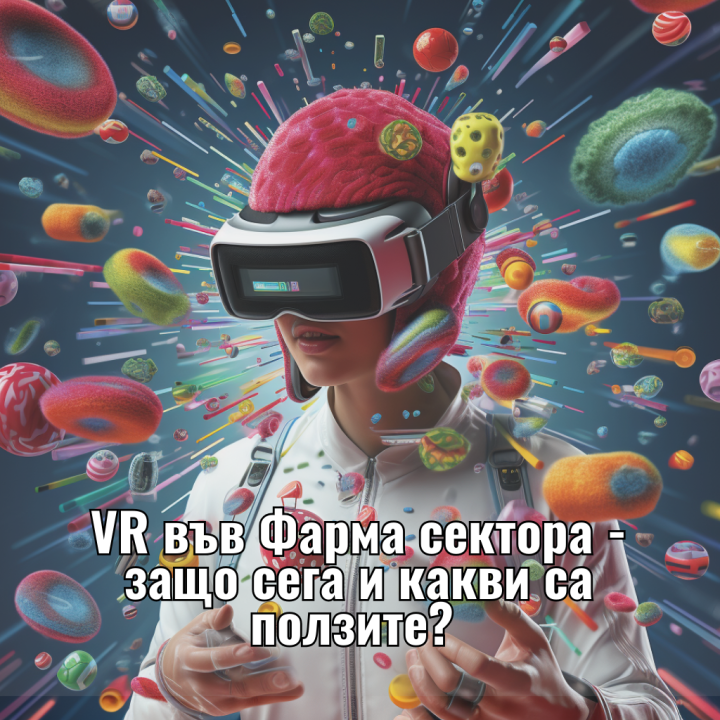
Introduction: The Changing Landscape of the Pharmaceutical Industry
The pharmaceutical industry is always changing. It grows thanks to new technology, new rules, and the constant need for new medicines. In this fast-paced world, companies look for tools to get a competitive edge. Virtual reality is proving to be a key tool for driving this innovation.
The Rise of Virtual Reality in Various Sectors
Recently, VR has found uses in many fields, from gaming and entertainment to education and healthcare. Its ability to create immersive, hands-on experiences makes it a powerful tool for learning and engagement. This flexibility makes the technology very attractive to many different business sectors.
Why is VR more than just a temporary trend?
In the pharmaceutical industry, VR is more than just a passing trend. It marks a major shift away from dull medical presentations. Instead of just viewing a video about a drug's effects, you can witness it yourself in VR. This completely changes how companies interact with medical professionals, patients, and even their own research teams.
Applications of VR in the Pharmaceutical World
- Patient education: Using VR, patients can learn about their disease and how their medication works. This leads to better understanding and helps them follow their treatment plan. It can completely change how patients view their own health.
- Medical representative training: VR can give medical reps realistic scenarios to prepare them for real-world interactions. This builds their confidence and makes them more effective when speaking with doctors.
- Visualization in research and development: Scientists can use VR to look at complex molecules in 3D. This helps in the discovery and development of new medicines. It can greatly speed up the entire research process.
Competitive advantages provided by VR
- Greater engagement: VR holds people's attention much better than traditional methods. This helps build stronger and more meaningful relationships with doctors, patients, and partners.
- Market differentiation: Companies using VR can offer unique experiences that set them apart from competitors. This can be a key factor for future success in the crowded market.
- Cost savings: Though VR has an initial setup cost, it can save money over time. VR training is cheaper to run long-term. This can result in large financial savings for companies.
Real-world application of VR by leading pharmaceutical companies
Industry leaders like Pfizer, Novartis, and Roche are already using VR in many business areas. They use it for everything from patient education to R&D. Their early adoption of VR shows its importance as an innovative tool for the industry.
Conclusion: The Future of Pharma with VR
For pharma companies wanting to stay at the front of the industry, ignoring VR is not an option. As VR technology develops and becomes more common, its use in the pharma sector will only grow. Those that adapt early will have an advantage in the competitive landscape of the future.