5 lessons from 50+ XR event installations
What we learned about conversion, queues, and measuring value from dozens of booth activations.
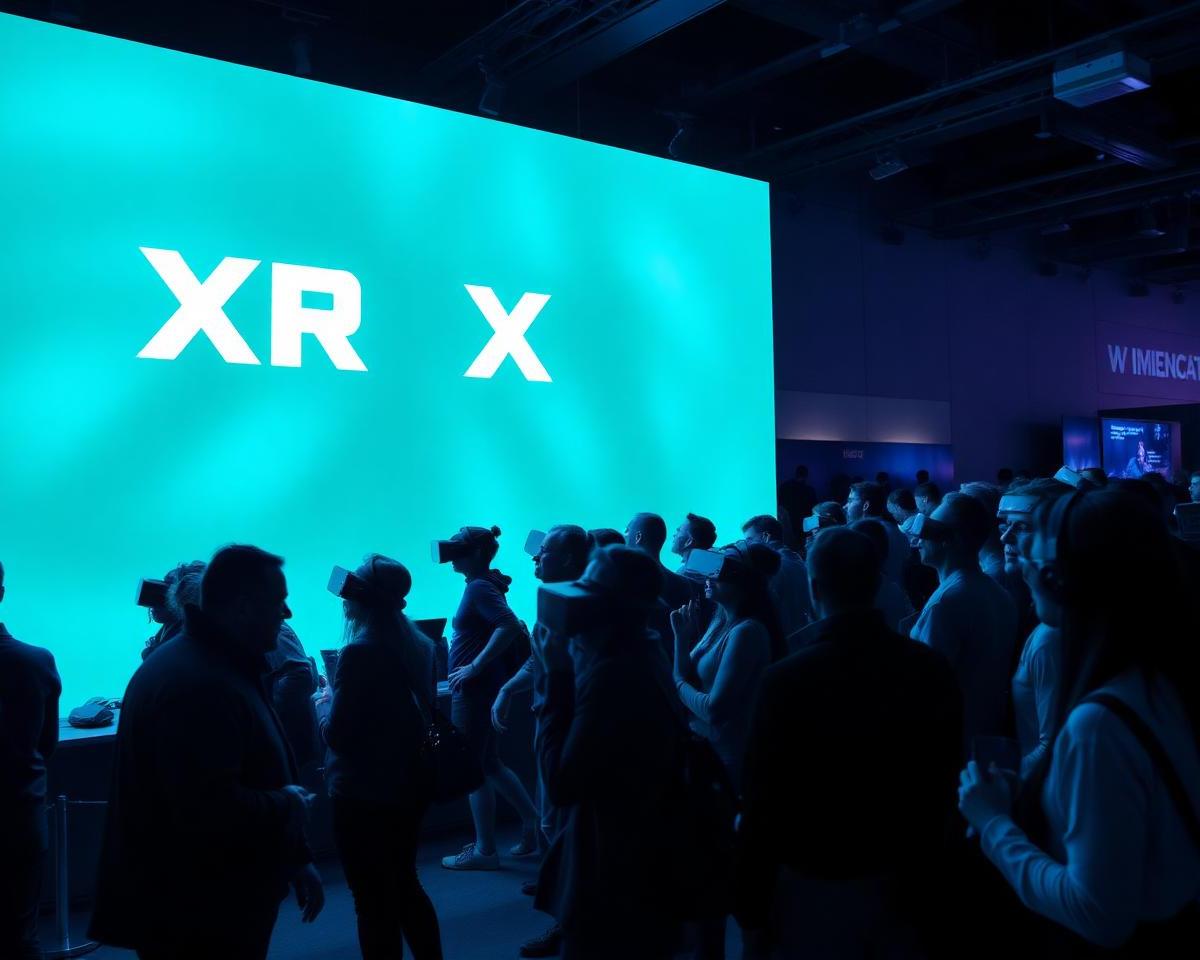
Extended Reality (XR) is a powerful tool for grabbing attention at trade shows and conferences, but its 'wow' factor is only the beginning. Simply having a headset at your booth isn't a strategy. To generate real business value from VR or AR, you must design a complete attendee journey. After executing over 50 of these installations, we've distilled our experience into five essential lessons for turning immersive tech into measurable success.
1. Embrace the Queue as Social Proof
A line for your XR experience is a powerful marketing asset, not a liability. While the instinct is to hide a queue, a visible line is compelling social proof; it signals that something valuable is happening, creating curiosity and FOMO (Fear Of Missing Out) for passersby. Instead of hiding it, showcase it with stanchions to make the queue look official. Use this captive audience's time wisely by having brand ambassadors engage with people waiting. This turns wait time into valuable brand engagement by building anticipation and answering questions before the experience even begins.
2. Find the 90-Second Sweet Spot for Impact
Experience duration is a critical balancing act. Go under 30 seconds and the experience feels like a superficial gimmick, failing to leave a lasting impression. Go over two minutes and you create a significant bottleneck that frustrates the queue and limits your total reach. Our data consistently points to 90 seconds as the magic number. This duration is long enough to onboard a user, deliver a core interactive moment that tells a story, and present a call to action. A 90-second experience allows a single XR station to service approximately 30 guests per hour, achieving the perfect balance between meaningful engagement and broad event floor reach.
3. Double Your Reach with Shareable Content
The experience shouldn't end when the headset comes off. Empower participants to become brand advocates by capturing their unique experience and making it instantly shareable. This tactic can easily double the organic reach of your activation. Implement a system that automatically generates a personalized takeaway, like a mixed-reality video showing the participant inside the virtual world or an animated GIF of a key moment. Deliver this content immediately via email or a QR code-scanned microsite, complete with brand hashtags. When attendees share their "moment of glory," they are giving your brand an authentic, personal endorsement.
4. Your Hosts Are the Most Critical Component
The most advanced headset is useless without a skilled human guide. The person managing the device is not just a technician; they are the bridge between the virtual world and your business objectives. A well-trained host can calm nervous first-time users, provide context to enhance immersion, and connect the “wow” back to your brand's core message.
Actionable Takeaway: Train your staff on the tech and, more importantly, the why—the core message you want to convey. Equip them with key talking points to link the excitement of the experience directly to your company's value proposition.5. Measure Leads, Not Impressions
Vanity metrics like "number of demos" don't prove ROI. The goal is to generate business, which requires capturing qualified leads. Integrate a lead-capture mechanism directly into the activation flow. At the end of the virtual experience, display a unique QR code linking to a contact form, a special event-only offer, or a resource download.
Actionable Takeaway: Ensure this data feeds directly into your CRM, tagging the lead with the event context. This allows your sales team to conduct timely, relevant follow-ups and enables you to calculate a true cost-per-lead and the campaign's overall ROI.