Why XR training cuts time-to-competence by 40%
Immersive VR simulations let teams rehearse complex scenarios without risk — data shows up to 40% faster ramp-up.
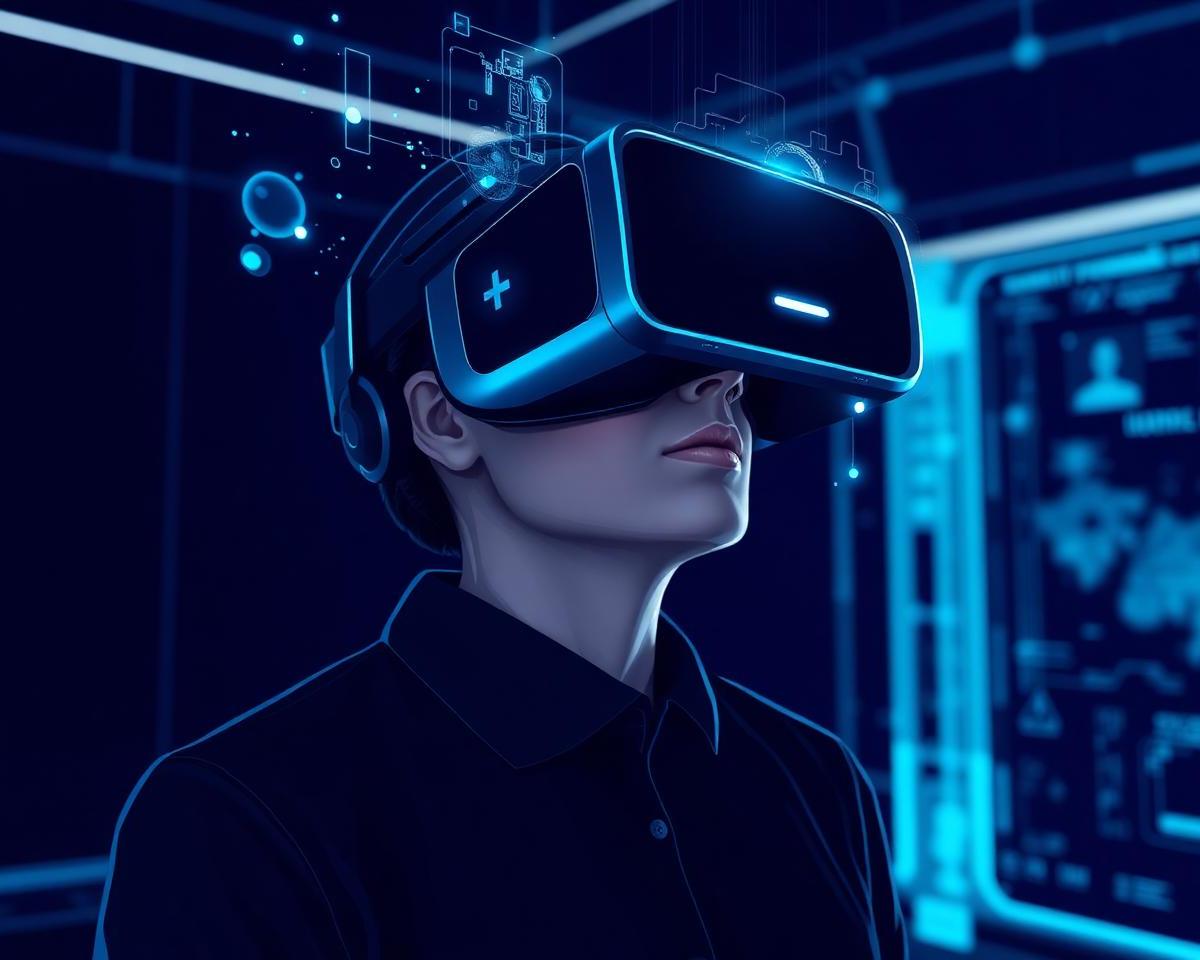
With Virtual Reality (VR), teams can safely practice difficult and risky situations. The results are clear: companies see employees become fully skilled up to 40% faster. This is a major shift in how businesses handle training. They can build stronger, more capable teams in much less time.
The Limits of Traditional Training
For years, company training has meant classes, manuals, and watching others. These methods are often slow and disconnected from real job tasks. A new field-service technician might watch a senior worker for weeks but remember very little. This traditional approach is slow and creates risks. New hires working on expensive equipment for the first time can make costly mistakes or cause accidents.
Data-Driven Results in Immersive Learning
The switch to Extended Reality (XR) training is showing clear, measurable results. Test programs show it has a strong advantage over older methods. Specifically, the data shows:
- 40% shorter time to full competence: It often takes ten weeks to train a new factory technician. With VR, employees can reach the same skill level in just six weeks. They can practice building a product many times virtually, which is impossible or too costly with real parts.
- 65% better retention after 30 days: Learning in VR is active and memorable, unlike a slideshow. When you physically perform a repair in VR, your brain is more engaged. This “learning by doing” approach helps you remember skills much longer than by just watching.
- 0 incidents when rehearsing high-risk procedures: VR provides a safe place to practice dangerous tasks, like locking out machinery. A trainee can make a mistake and see the simulated result without any real-world harm. This lets them learn from errors in the safest way possible.
Why It Works: Building Digital Muscle Memory
VR is effective because it builds what can be called “digital muscle memory.” The brain doesn’t always know the difference between a good simulation and reality. When you repeat a task in VR, the movements become natural and automatic. This happens in a focused 3D space, making it more powerful than reading a checklist.
Repeating tasks in a virtual space is also far cheaper and easier to scale than on-the-job practice. It doesn't require stopping a production line, using materials, or an expert's direct supervision.
Actionable Takeaways to Get Started
Adopting XR training doesn't mean changing your company overnight. A planned, step-by-step approach is most effective.
- Start with One High-Value Process. Pick a single task that is costly to train, high-risk, or causes frequent errors. Good examples are complex equipment repair, safety procedures, or delicate assembly. Focusing on one area helps you prove the value and build your case.
- Measure and Scale. Before you start, decide how you will measure success. Track metrics like time to become skilled, on-the-job error rates, and employee confidence. With positive data, you can confidently expand the program to other teams. This can transform your company’s approach to training.
<hr />
<p><strong>Want the full picture?</strong> See our pillar page on <a href="/solutions/vr-training">the benefits of VR training</a> — retention uplift, hours saved, and live pharma + banking case studies.</p>